Body Fat Percentage Calculator
Estimate your body fat percentage using the U.S. Navy tape method and a BMI-based calculation. Compare composition ranges, review health context, and export your report.
Enter your details — results appear below after you calculate.
User information
Body stats
Navy method measurements
Measure at the narrowest point of your waist
Measure just below the Adam's apple
“For me” saves to My Metrics when you’re signed in. “For other” only shows results.
Science-backed methodology. Last reviewed July 2026.
Editorial policy →How this body fat calculator works
Two estimates run in parallel: the U.S. Navy tape (circumference) method (waist, neck, height, and hip for women) and a BMI-derived body-fat estimate from height, weight, age, and sex.
Built for men and women tracking fitness progress—the Navy method suits home measurement without calipers, while the BMI-based path helps compare body fat vs scale weight for beginners and gym-goers alike.
Results are educational estimates—tracking change over time usually matters more than any single field-method percentage.
Body Fat Percentage Calculator – Understand Your Body Composition
Your body fat percentage reveals the proportion of fat mass to total body weight, providing crucial insights into your overall health and fitness level. Our Body Fat Calculator uses scientifically validated methods including the Navy method and BMI-based calculations to estimate your body composition. Understanding your body fat percentage helps you set realistic fitness goals, monitor progress, and make informed decisions about your health and wellness journey.
What is Body Fat Percentage?
Body fat percentage is the proportion of your total body weight that consists of fat tissue. Unlike BMI, which only considers height and weight, body fat percentage provides a more accurate picture of your body composition by distinguishing between fat mass and lean mass (muscle, bone, organs, and water). This measurement is crucial for assessing health risks, athletic performance, and overall wellness.
1Key Components of Body Fat Assessment
Anthropometric Measurements
- Waist circumference at narrowest point
- Neck circumference below Adam’s apple
- Hip circumference at widest point (women)
- Height and weight measurements
Demographic Factors
- Age-related metabolic changes
- Gender-specific fat distribution patterns
- Individual body composition variations
- Activity level and fitness status
2Body Fat Calculation Methods
U.S. Navy Method
Uses circumference measurements (waist, neck, hip for women) with height in logarithmic formulas. Developed by the U.S. Navy, this method is more accurate than BMI-based calculations, especially for athletic individuals.
BMI-Based Estimation
Uses the Deurenberg formula incorporating BMI, age, and gender to estimate body fat percentage. While less precise than Navy method, it’s useful for general population screening and trend monitoring.
Combined Assessment Approach
Our calculator provides both methods to give you a comprehensive view of your body composition, allowing you to compare results and understand potential variations between different estimation techniques.
Factors That Influence Body Fat Percentage
Your body fat percentage is influenced by numerous factors, including genetics, lifestyle choices, and physiological characteristics. Understanding these factors helps you interpret your results accurately and develop effective strategies for achieving your body composition goals.
Modifiable Factors
| Factor | Impact on Body Fat | Improvement Strategies |
|---|---|---|
| Diet Quality | High-calorie, processed foods increase fat storage | Balanced nutrition with adequate protein |
| Physical Activity | Exercise burns calories and builds muscle | Combine cardio and strength training |
| Sleep Quality | Poor sleep disrupts hormones regulating fat storage | 7-9 hours of quality sleep nightly |
| Stress Management | Chronic stress increases cortisol and abdominal fat | Regular stress reduction practices |
| Hydration | Affects metabolism and measurement accuracy | Consistent daily water intake |
Body Fat Calculation Formulas
Navy Method - Male
- W = waist (cm)
- N = neck (cm)
- H = height (cm)
- A = 495
- B = 1.0324
- C = 0.19077
- D = 0.15456
- E = 450
Navy Method - Female
- W = waist (cm)
- P = hip (cm)
- N = neck (cm)
- H = height (cm)
- A = 495
- B = 1.29579
- C = 0.35004
- D = 0.22100
- E = 450
BMI Formula
- M = weight (kg)
- H = height (m)
Deurenberg Formula
- BMI = Body Mass Index
- G = age (years)
- S = sex (1 = male, 0 = female)
- A = 1.20
- B = 0.23
- C = 10.8
- D = 5.4
Benefits of Monitoring Your Body Fat Percentage
- Health Assessment – Better indicator of health risks compared to BMI alone, especially for athletes and muscular individuals.
- Fitness Progress – Track body composition changes during weight loss or muscle-building programs more accurately than weight alone.
- Goal Setting – Establish realistic and measurable targets for body composition rather than just weight loss.
- Performance Optimization – Understand how body composition affects athletic performance and daily energy levels.
- Health Risk Assessment – Identify potential risks for cardiovascular disease, diabetes, and metabolic disorders.
How to Use the Body Fat Calculator
- Enter Basic Information – Select units, sex, age, height, and current weight for accurate calculations.
- Take Measurements – Measure waist and neck circumference; hip measurement required for women using Navy method.
- Review Both Results – Compare Navy method and BMI-based calculations to understand potential variation.
- Interpret Your Category – Understand where your body fat percentage falls within healthy ranges for your demographic.
- Track Progress – Re-measure every 2-4 weeks to monitor changes in body composition over time.
Strategies to Optimize Your Body Composition
Nutrition Strategies (Primary Driver)
- Maintain moderate caloric deficit for fat loss
- Consume 0.8-1.2g protein per lb body weight
- Focus on whole, nutrient-dense foods
- Time carbohydrates around workouts
- Stay hydrated and limit processed foods
- Consider meal timing and portion control
Exercise Strategies (30% of results)
- Combine resistance training and cardio
- Prioritize compound movements for strength
- Include 150+ minutes moderate cardio weekly
- Progressive overload in strength training
- High-intensity interval training (HIIT)
- Allow adequate recovery between sessions
Understanding Your Body Fat Results
Healthy Range
Excellent! Your body fat percentage falls within healthy ranges for your age and gender. Focus on maintaining current habits and consider body recomposition goals if interested in athletic performance or aesthetic changes.
Above Average Range
Attention needed! Your body fat percentage is above optimal health ranges. Consider implementing nutrition and exercise strategies to gradually reduce body fat while maintaining or building lean muscle mass.
Higher Body Fat Range
Action required! Your body fat percentage indicates increased health risks. Consider consulting healthcare providers and fitness professionals to develop a comprehensive plan for improving body composition safely.
Common Body Composition Challenges
1. Visceral Fat Accumulation
Abdominal fat around organs increases health risks including diabetes, heart disease, and metabolic syndrome. This type of fat is particularly responsive to diet and exercise interventions.
2. Muscle Loss with Age
Sarcopenia (age-related muscle loss) begins around age 30, leading to higher body fat percentages even with stable weight. Resistance training and adequate protein intake are crucial for prevention.
3. Hormonal Influences
Hormonal changes from stress, sleep deprivation, menopause, or medical conditions can significantly impact body fat distribution and percentage. Address underlying hormonal imbalances for optimal results.
4. Metabolic Adaptation
Extended caloric restriction can slow metabolism and make further fat loss difficult. Periodic diet breaks, refeeds, and strength training help maintain metabolic rate during body composition changes.
The Science Behind Body Fat Distribution
How Body Fat Affects Your Health
Body fat percentage and distribution significantly impact multiple physiological systems. Understanding these relationships helps explain why maintaining healthy body composition is crucial for long-term health.
Metabolic Effects
- Insulin sensitivity and glucose metabolism
- Leptin and appetite regulation
- Thyroid hormone function
- Metabolic rate and energy expenditure
Cardiovascular Impact
- Blood pressure and arterial stiffness
- Cholesterol and triglyceride levels
- Inflammatory marker elevation
- Heart disease and stroke risk
Hormonal Regulation
- Gender hormone production and balance
- Cortisol and stress response
- Growth hormone and recovery
- Adipokine signaling pathways
Physical Performance
- Power-to-weight ratio optimization
- Endurance and cardiovascular efficiency
- Joint health and mobility
- Thermoregulation and heat tolerance
Gender-Specific Body Fat Considerations
Men’s Body Fat Patterns
- Tend to store fat in abdominal region (android pattern)
- Essential fat: 2-5% (lower than women)
- Athletic range: 6-13%, Fitness: 14-17%
- Higher muscle mass affects calculation accuracy
Women’s Body Fat Patterns
- Store fat in hips, thighs, breasts (gynoid pattern)
- Essential fat: 10-13% (higher for reproductive health)
- Athletic range: 14-20%, Fitness: 21-24%
- Hormonal fluctuations affect measurements
Age-Related Changes (Both Genders)
- Gradual increase in body fat percentage with age
- Muscle mass decreases ~1% per year after 30
- Metabolic rate slows, affecting fat distribution
- Acceptable ranges shift slightly higher with age
Athletic Populations
- Athletes often have lower body fat percentages
- Sport-specific optimal ranges vary significantly
- Higher muscle mass can skew BMI-based calculations
- Navy method generally more accurate for athletes
Body Composition Optimization Strategies
Evidence-Based Approaches to Body Fat Reduction
Successful body composition changes require a multifaceted approach combining nutrition, exercise, recovery, and lifestyle factors. Sustainable strategies focus on gradual changes that preserve muscle mass while reducing fat stores.
Effective Fat Loss Strategies
Moderate Caloric Deficit
Aim for 300–500 calorie deficit for sustainable fat loss
Protein Prioritization
0.8–1g protein per lb bodyweight to preserve lean muscle
Strength Training
3–4 sessions per week to maintain and build muscle mass
Cardiovascular Exercise
150+ minutes of moderate or 75+ minutes of vigorous weekly
Ineffective or Harmful Approaches
Crash Dieting
Severe restriction slows metabolism and increases muscle loss
Excessive Cardio
Overdoing cardio without strength training sacrifices lean tissue
Neglecting Recovery
Poor sleep and stress management raise cortisol, hindering fat loss
Unsustainable Fads
Quick fixes and extreme diets often lead to rebound weight gain
Frequently Asked Questions (FAQs)
Related Calculators
You might also be interested in these related health and wellness calculators:
Calorie Calculator
Estimate your daily calorie needs based on your age, gender, weight, height, and activity level to support weight loss, maintenance, or muscle gain goals.
Metabolic Age Calculator
Calculate your metabolic age based on your BMR, body composition, and activity level. A lower metabolic age reflects better health and fitness.

Macronutrient & Calorie Calculator
Calculate your daily calorie needs and get a personalized macronutrient split (protein, carbs, fats) based on your body stats, activity level, and health goal. Perfect for fat loss, muscle gain, or maintenance.
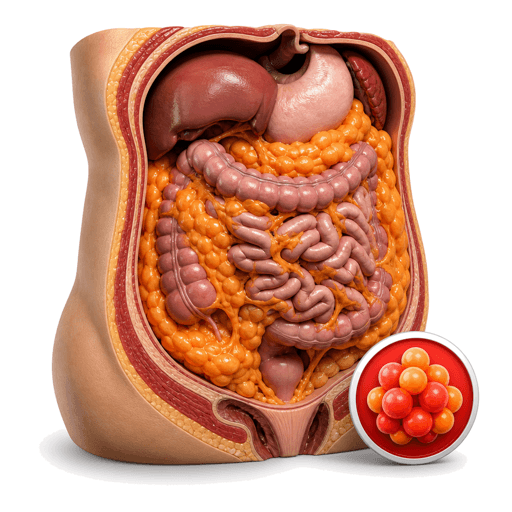
Visceral Fat Risk Calculator
Estimate visceral (abdominal) fat risk using waist-to-height ratio, waist circumference, BMI, and lifestyle. Get WHtR bands, health score, and metabolic guidance.
Body Mass Index (BMI) Calculator
Calculate your Body Mass Index (BMI) from height and weight in metric or imperial units. Get WHO categories, healthy weight range, BMI Prime, and PDF export.
Child BMI Calculator
Calculate BMI-for-age percentile for children and teens (ages 2–19) using CDC growth charts. Get weight-status category, healthy range, and PDF export.
Lean Body Mass (LBM) Calculator
Estimate lean body mass (fat-free mass) from weight, height, and optional body fat %. Boer, James, and Hume formulas, fat mass, LBM %, protein target (1.6–2.2 g/kg), and PDF export.
Basal Metabolic Rate (BMR) Calculator
Estimate your basal metabolic rate (BMR)—resting calorie burn—from your body stats. Optional body fat % for a personalized estimate. See activity-based daily calorie estimates.
Calculator Categories
Explore more free tools by health topic. Your calculator's category is highlighted below.
Body Composition
16 calculators
Browse categoryNutrition & Metabolism
31 calculators
Browse categoryFitness & Cardio
13 calculators
Browse categorySleep & Circadian Health
6 calculators
Browse categoryAging & Longevity
6 calculators
Browse categoryHeart & Metabolic Health
23 calculators
Browse categoryMental Wellbeing
4 calculators
Browse categoryWomen's Health
10 calculators
Browse categoryEnvironment & Lifestyle
6 calculators
Browse category